
The mechanism of eSIM transferability and device compatibility
An eSIM is not simply a “digital SIM.” Its transferability and compatibility are governed by three separate layers: the device hardware, the operating system’s eSIM management, and the carrier or provider’s profile policy. That is why two phones can both “support eSIM” yet behave very differently when a user tries to move a plan from one device to another.
At the technical level, an eSIM profile is installed onto an embedded chip in the phone rather than a removable card. Installation usually happens through a QR code or an app, and many phones allow multiple eSIM profiles to be stored. But storage is not the same as portability. A stored profile may be active on one device while still being restricted from reuse elsewhere, depending on how the provider handles activation and profile reassignment.
This is where transferability becomes a product feature, not a universal property of eSIM itself. In the source material, Saily stands out because it explicitly supports moving the eSIM from one phone to another without requiring the user to buy a new plan. That matters in practical situations: a traveler may upgrade a phone mid-trip, switch to a backup device, or recover from hardware failure. By contrast, other providers may lock the plan to a single device, which means the same eSIM concept delivers a very different ownership experience.
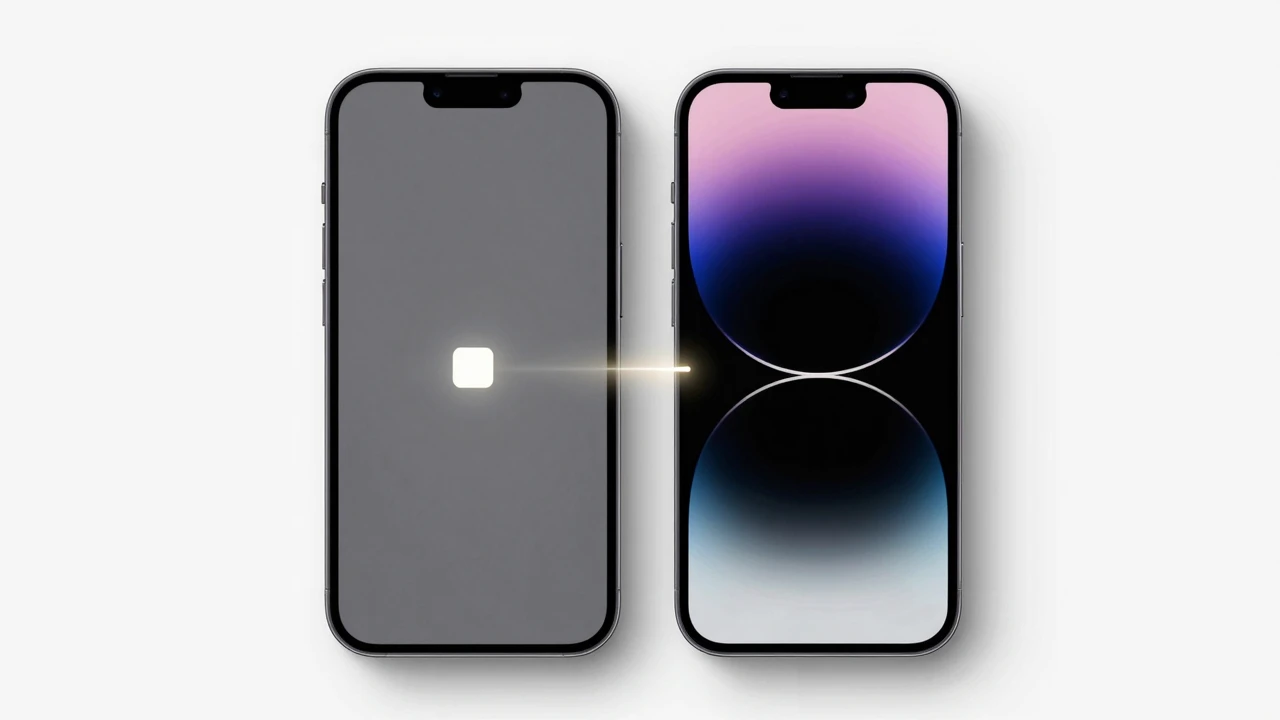
Device compatibility is often misunderstood in a similar way. Compatibility has at least three checkpoints. First, the phone must include eSIM support. The source content mentions that most modern phones such as iPhone XS and later, Google Pixel 3 and later, and Samsung Galaxy S20 and later support eSIM. Second, the device must be unlocked; a carrier-locked phone may block activation even if the hardware is capable. Third, the phone must permit multiple eSIM profiles if the user intends to keep a main number active while adding a travel data line.
Why compatibility failures happen
Most failures do not come from the QR code itself. They usually come from a mismatch between what the user assumes and what the provider allows. A phone may support eSIM but not support the exact usage pattern the traveler wants, such as keeping a primary line active while assigning mobile data to the travel eSIM. In other cases, the provider may require activation only after arrival, which changes how and when the profile can be validated.
A second source of confusion is the phrase “works in 150+ countries” or “190+ countries.” That describes commercial coverage, not device freedom. An eSIM can have broad geographic coverage while still being non-transferable, or it can be transferable but subject to activation timing rules and validity windows.
What to verify before relying on transfer
Before purchasing, the decisive questions are simple:
- Does the provider explicitly allow transfer to another phone?
- Is the phone unlocked?
- Does the device support eSIM and multiple profiles?
- Is activation allowed before departure or only on arrival?
- Does the plan remain usable after a device switch, or is it tied to the original installation?
For travelers, this distinction is more important than marketing language. eSIM convenience comes from remote activation and flexible line management, but true portability depends on provider policy layered on top of device capability. When those two align, eSIM becomes far more than a replacement for a plastic card; it becomes a practical continuity tool for travel, backup devices, and phone changes without losing connectivity.
Join Discussion
No comments yet, be the first to share your opinion!