How does controlled digital lending work?
You’re on a waitlist for the latest bestseller from your digital library app. It’s a familiar feeling, a small price to pay for free access. But behind that simple notification lies a sophisticated, legally intricate, and sometimes controversial system known as controlled digital lending (CDL). At its core, CDL is a framework that attempts to translate the centuries-old practice of physical library lending into the digital realm. It’s not just software; it’s a legal and operational model built on a specific, and some would say precarious, interpretation of copyright law.
The Core Analogy: One Copy, One User
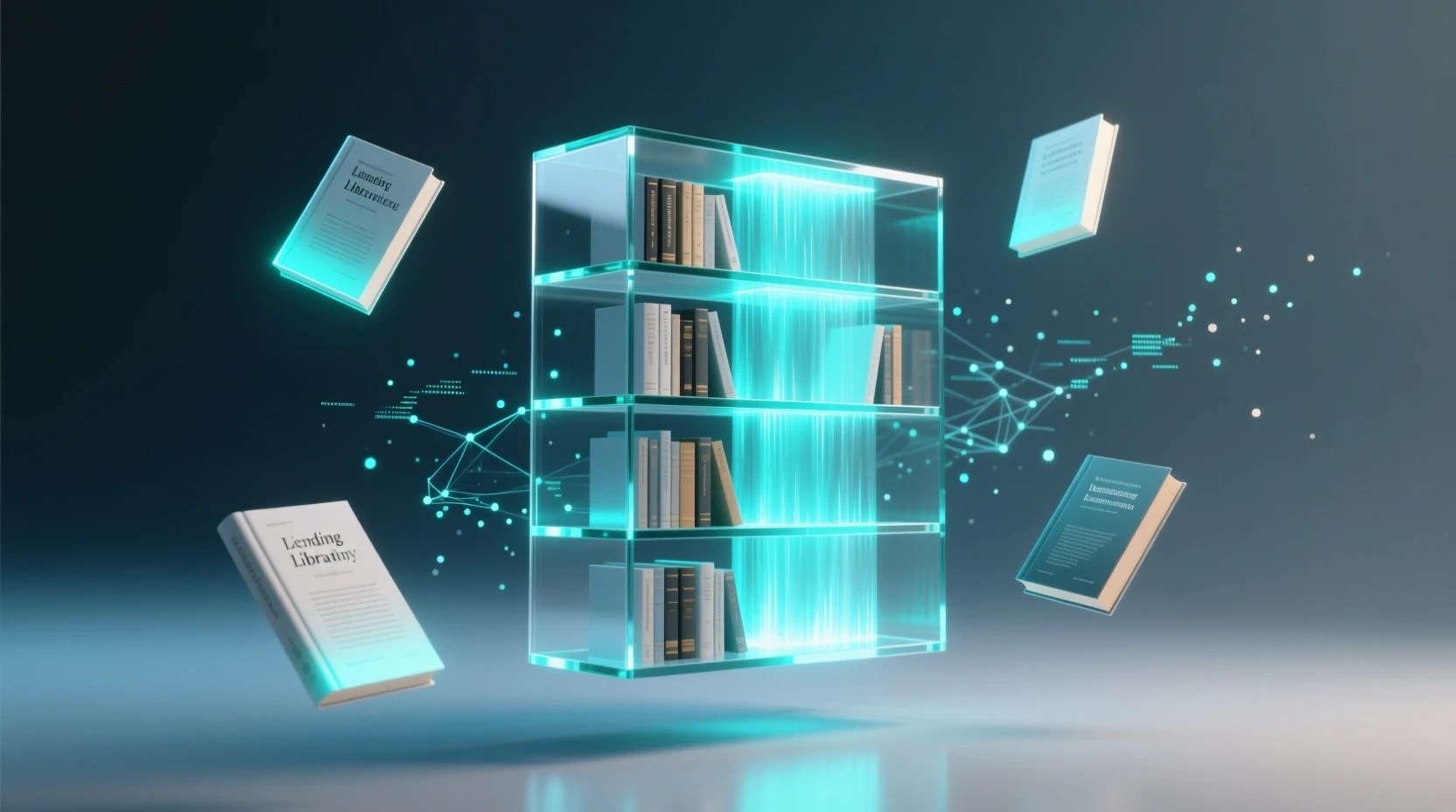
Think of it this way: if a library owns one physical copy of a book, it can lend that one copy to one patron at a time. Controlled digital lending applies that exact same logic to digital files. A library must first own a lawfully acquired physical copy of a book. It then digitizes that copy or, in some implementations, uses a purchased digital file. Crucially, the system employs digital rights management (DRM) or other technical controls to ensure that only one patron can “check out” that digital file at any given moment. The digital file is effectively “locked” to others while it’s on loan, mimicking the physical scarcity of the single owned copy.
The Technical Mechanics in Practice
How does this play out for you, the reader? When you borrow a CDL book from a platform like the Internet Archive’s Open Library, a specific sequence unfolds. The system checks if a “copy” is available. If it is, it grants you access to a DRM-protected file or a browser-based reader for a set loan period—typically 14 days. The file is often encrypted and cannot be downloaded for permanent retention; access simply expires when your loan is up. During your loan, the system lists that copy as “checked out,” preventing another user from accessing it. Some systems even implement a simulated “return” process where the user must actively release the file back, though most automate this. It’s a dance of digital scarcity, carefully choreographed to mirror the physical world.
The Legal Tightrope: Fair Use vs. Licensing
This is where the calm facade of library operations meets the storm of copyright law. Proponents of CDL, led by institutions like the Internet Archive, argue it’s protected under the “fair use” doctrine and the first sale doctrine. Their reasoning hinges on the “owned to loaned” ratio: they’re not creating new copies for distribution; they’re lending the single digital surrogate of a copy they already own, which they argue is no different from lending the physical book. It’s a rights-preservation model, not a reproduction model.
Publishers and many authors see it differently. They contend that digitization itself is an unauthorized reproduction, and that the “one-to-one” analogy breaks down because a digital loan isn’t subject to the same natural degradation, wear-and-tear, or geographic constraints as a physical loan. The commercial ebook market, they argue, operates on a licensing model where libraries pay often exorbitant fees for multi-user access or metered loans (where a license expires after a certain number of checkouts). CDL, in their view, circumvents this entire licensed ecosystem. This fundamental clash of philosophies landed in a federal court, resulting in a 2023 ruling against the Internet Archive’s CDL practices for in-copyright books, a decision currently under appeal.
The Ecosystem and Its Players
Controlled digital lending isn’t monolithic. It exists on a spectrum. On one end, you have the pure, advocacy-driven model of the Internet Archive, which has made over 2 million digitized books available under CDL. On the more conservative, legally cautious end, many traditional public libraries use commercial services like OverDrive (Libby) or Hoopla. These platforms also enforce “one copy, one user” limits, but they do so under explicit licensing agreements with publishers. They’re not relying on a fair use argument; they’re paying for the right to create that digital “copy” for lending. The user experience—waitlists, loan periods—is nearly identical, but the underlying legal and financial mechanisms are worlds apart.
Why It Feels Different from a “Pirate” Site
The key distinction between CDL and shadow libraries is intent and constraint. A site like Z-Library operates on a model of abundance, offering unlimited, simultaneous downloads with no technical or legal limits. CDL is built on enforced scarcity. It’s slow, it’s deliberate, and it’s designed to be a direct digital correlate to a physical library’s shelf. That’s why you encounter waitlists. That’s why you can’t just grab a file and keep it forever. The friction is the point—it’s the system’s way of proving it’s not engaging in mass distribution.
For now, the future of the more expansive vision of CDL hangs in the balance of ongoing litigation. Regardless of the outcome, the core concept—using technology to carefully meter access to digital knowledge—has permanently shaped how libraries navigate their mission in the digital age. The next time you join a waitlist for a digital book, you’re not just waiting your turn. You’re participating in a complex, real-world experiment at the intersection of copyright, technology, and the public’s right to read.
Join Discussion
No comments yet, be the first to share your opinion!