Could Other Cities Replicate Singapore’s Smart Success?
The question keeps coming up in urban planning conferences around the world: can we build what Singapore built? City officials from Nairobi to São Paulo ask it. Technology consultants charge millions to answer it. And the uncomfortable truth is that the answer is both simpler and more complicated than anyone wants to hear.
Singapore succeeded not because it had better technology than anyone else—it had something far more rare. A small geographic footprint meant every innovation could be connected to everything else. A single-party government eliminated the bureaucratic friction that stalls smart city projects elsewhere for decades. And a GDP per capita that ranks among the world's highest provided the capital to experiment freely, fail publicly, and try again.
These conditions don't translate. No major metropolis can replicate Singapore's 728 square kilometers of manageable territory. No democratic city can impose the data-sharing mandates that make Singapore's systems talk to each other. And no developing nation can match the per capita spending that turned the Smart Nation initiative into a $20 billion endeavor.
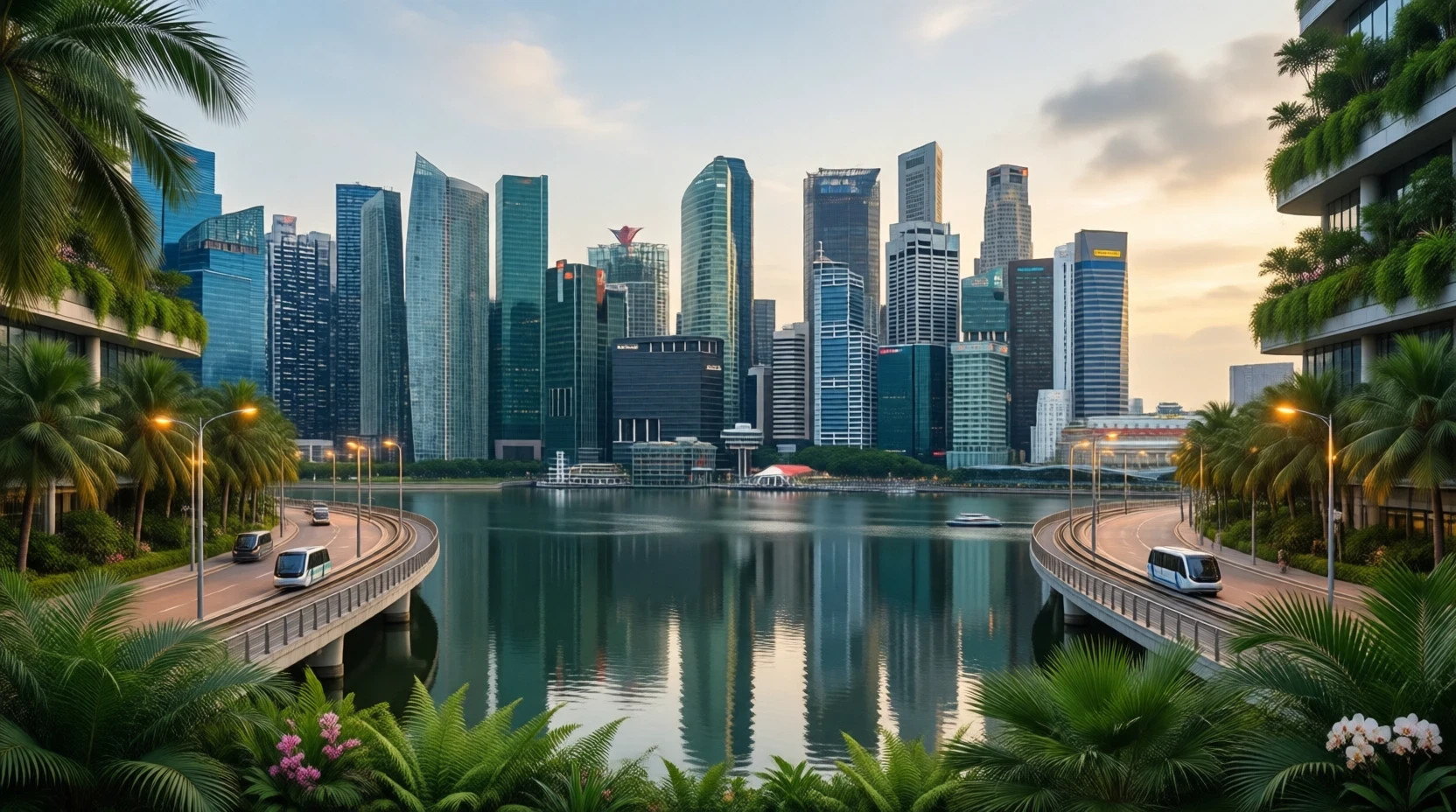
But here's what other cities can actually learn from Singapore: not the technology, but the philosophy.
The core insight is integration over innovation. Singapore didn't deploy smart traffic systems, then smart payments, then smart tourism platforms in separate silos. It built a data backbone first—standardizing how information flows between transportation, commerce, security, and urban planning. Individual technologies came later, and they worked together because the infrastructure already connected them. Cities that chase shiny pilot projects without this foundational architecture end up with expensive gadgets that don't talk to each other.
This approach requires something most municipalities lack: patience. Singapore's digital transformation began in the 1990s with e-government services before the consumer-facing Smart Nation launched in 2014. Two decades of building technical standards, data governance frameworks, and inter-agency cooperation preceded the visible successes. Western cities, bound by election cycles and budget constraints, struggle to think in these timeframes. Yet the lesson holds: the systems that seem most impressive today are built on invisible work done years earlier.
For cities in different economic contexts, adaptation matters more than imitation. A mid-sized European city might replicate Singapore's contactless payment integration without the autonomous vehicle infrastructure. A fast-growing Asian metropolis might prioritize the sensor-based crowd management that makes Changi Airport legendary, applying it to public transit during rush hour. The key is identifying which pain points cause the most friction for residents and visitors, then finding the technology that addresses those specific problems—not building a generic smart city because that's what consultants recommend.
Resource constraints actually create opportunities that Singapore never had. Mobile-first infrastructure allows developing cities to skip the landline era entirely, just as Kenya's M-Pesa mobile money system leapfrogged traditional banking. Some of the most innovative smart city solutions are emerging in places that can't afford Singapore's budgets but also don't carry the legacy systems that complicate modernization elsewhere.
The honest assessment is that no city will replicate Singapore exactly. The combination of size, governance, wealth, and strategic vision that made it possible is irreproducible. But the underlying principles—integration before deployment, patience over quick wins, solving real problems rather than showcasing technology—those travel well. The question isn't whether other cities can become Singapore. It's whether they can extract the ideas that matter and adapt them to contexts that are, inevitably, messier and more complicated. That, at least, is possible.
Join Discussion
No comments yet, be the first to share your opinion!