Is Singapore Really Asia’s Most Expensive Destination?
Singapore’s reputation as Asia’s priciest destination sticks like humidity in July—but is it deserved? The short answer: it depends on what you’re measuring. While luxury hotels and fine dining can rival Tokyo or Hong Kong, Singapore’s real cost profile reveals surprising flexibility for savvy travelers. Unlike cities where budget options mean compromised safety or unreliable transit, Singapore delivers baseline efficiency across the board. A meal at a Michelin-recognized hawker stall costs less than a fast-food combo elsewhere, and the MRT whisks you across the island faster than most ride-hailing apps can find a driver.
The Myth of Uniform Expensiveness
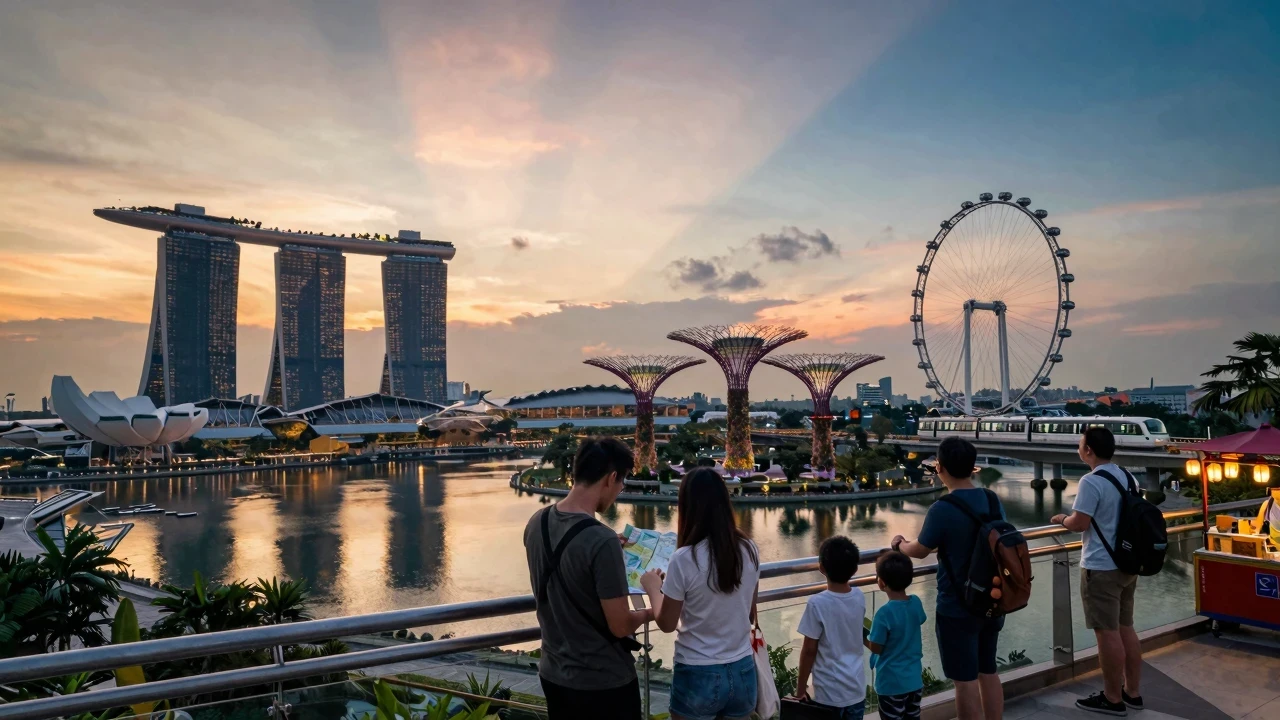
Labeling Singapore “the most expensive” ignores how uneven pricing actually is. Yes, a night at Marina Bay Sands might set you back $800, but a clean, secure capsule in Chinatown runs under $60. The city operates on a tiered value system where premium experiences coexist with genuinely affordable essentials—without the usual trade-offs in hygiene, safety, or convenience seen in other Asian capitals.
Consider daily food spend:
- Hawker centers: $4–$10 per meal (think Hainanese chicken rice at Tian Tian or laksa at Sungei Road)
- Mid-range cafés: $18–$35 for brunch in Tiong Bahru
- Fine dining: $150+ at restaurants like Odette or Burnt Ends
Yet even high-end visitors often anchor their days with cheap, brilliant street eats. This hybrid approach deflates the myth that Singapore forces all-or-nothing spending.
Infrastructure as a Cost Equalizer
What truly reshapes Singapore’s expense narrative is its infrastructure. Time saved equals money preserved. Efficient public transport means no wasted hours in traffic jams or overpriced taxis. A day pass costs $10 and covers unlimited MRT and bus rides—enough to hit Gardens by the Bay, Kampong Glam, and Sentosa (via link) without stress. Compare that to Bangkok, where tuk-tuk scams and gridlock inflate both time and incidental costs.
“In many Asian cities, hidden inefficiencies act as stealth taxes,” notes travel economist Dr. Lena Tan. “Singapore’s transparency turns predictability into affordability.”
When It Does Get Expensive
Singapore earns its premium label during peak events: Formula 1 weekends, year-end holidays, or major conferences can double hotel rates overnight. Luxury stays near Orchard Road or Marina Bay command global-city pricing, and imported goods (like wine or cheese) carry steep markups due to tariffs and logistics. But these are selective pain points—not daily realities for most visitors.
The Verdict: Value Over Sticker Price
Is Singapore Asia’s most expensive destination? Only if you equate cost with luxury benchmarks alone. For travelers prioritizing reliability, cleanliness, and culinary depth across price tiers, Singapore often delivers better value than cheaper alternatives where unpredictability drains budgets. You pay for precision, not just prestige—and sometimes, that precision saves you more than it costs.
Join Discussion
No comments yet, be the first to share your opinion!