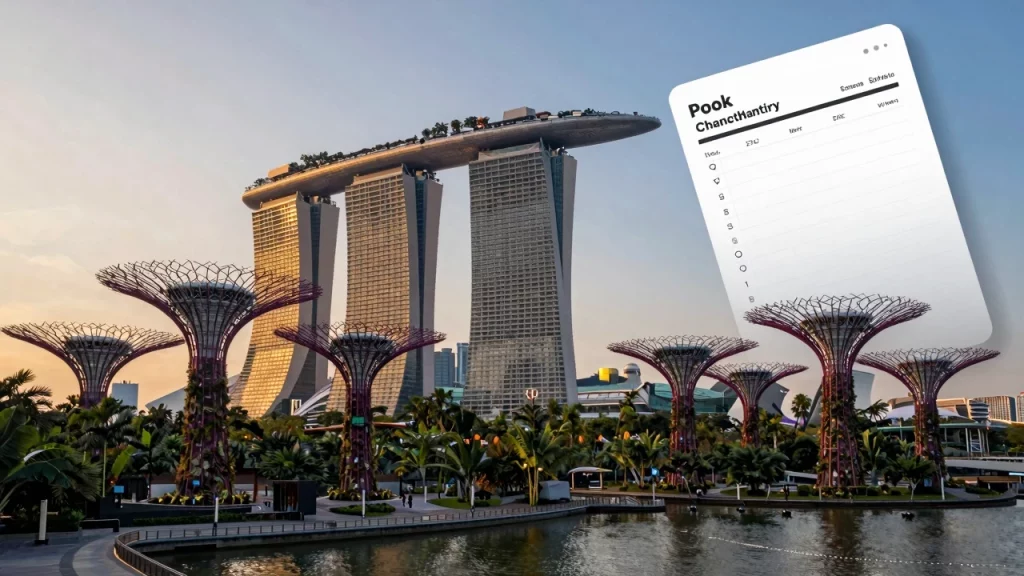
Singapore has long carried a reputation as one of Asia’s more expensive destinations. While that perception is not entirely unfounded, it is also incomplete. Singapore can be luxurious and premium-priced, yet it can also be highly manageable for travelers who understand where to spend strategically and where to save intelligently. Unlike destinations where hidden inefficiencies inflate budgets through wasted time, unreliable transport, or tourist traps, Singapore’s infrastructure is efficient enough that even budget-conscious visitors often gain strong overall value.
For 2026 travelers, costs remain influenced by seasonality, hotel demand, large-scale events, and global exchange rates. However, one constant remains: planning matters more than raw budget size. A visitor spending modestly can still enjoy excellent food, world-class attractions, and comfortable mobility, while a premium traveler can access some of Asia’s finest hospitality experiences. This guide breaks down what a trip to Singapore really costs and how to optimize your spending without compromising the quality of your experience.
Accommodation Tiers
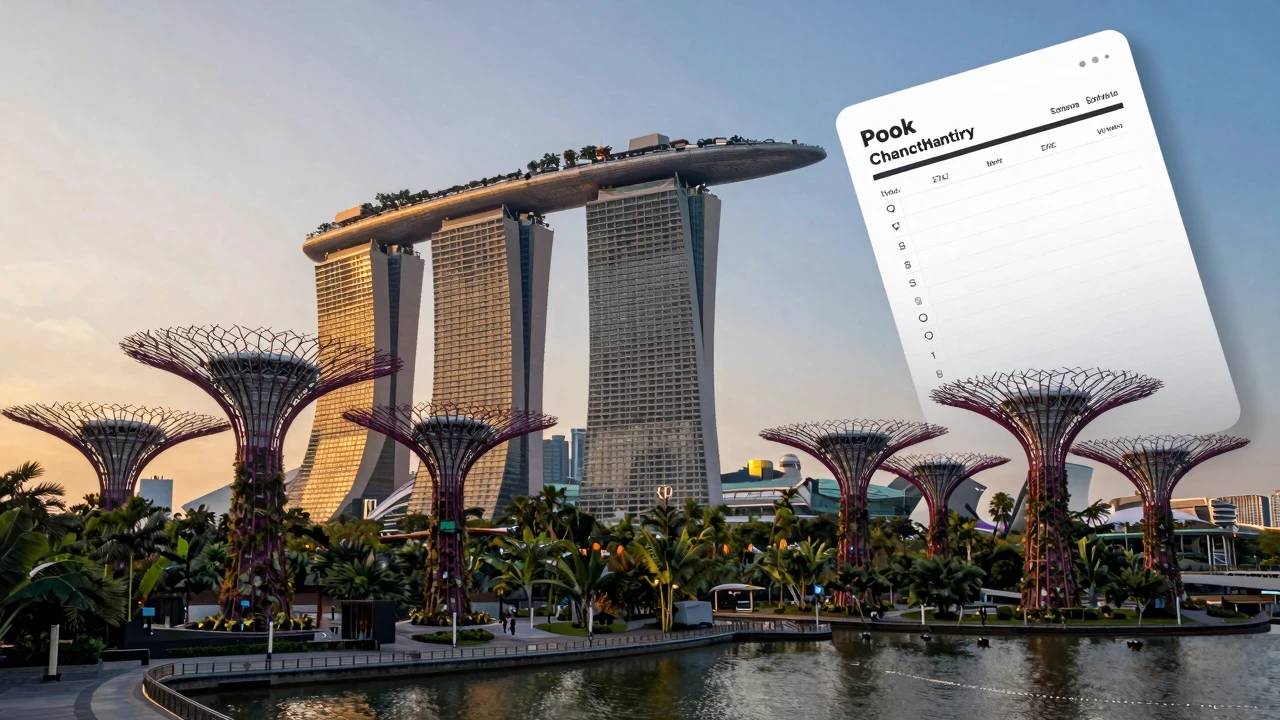
Accommodation will likely be your largest fixed expense, particularly for travelers staying more than a few nights. Singapore’s compact geography means location premiums are real, but public transportation also allows visitors to stay slightly outside core tourist zones without major inconvenience.
Budget Hotels and Capsule Stays
Entry-level accommodation in Singapore is generally cleaner, safer, and better managed than budget lodging in many global cities. Capsule hotels, compact private rooms, and no-frills boutique stays typically range from SGD 45 to SGD 110 per night depending on district and season. Areas such as Chinatown, Little India, Bugis, and Geylang often provide the best value.
The trade-off at this tier is space rather than functionality. Rooms may be small, windows limited, and amenities minimal, yet standards of hygiene and accessibility are usually strong. For solo travelers or couples who plan to spend most of the day exploring, this segment can be highly efficient.
Mid-Range Hotels
The most practical category for many visitors is the mid-range market, where rates commonly fall between SGD 140 and SGD 280 per night. Here, travelers gain larger rooms, stronger soundproofing, better bedding, pools or gyms, and more central locations. This tier often represents the best balance between comfort and cost.
Well-positioned mid-range properties near MRT stations can significantly improve the travel experience because time savings in Singapore are financially valuable. Less commuting means more flexibility for dining, sightseeing, and evening activities.
Luxury Hotels
Singapore’s premium hospitality market is globally competitive. Five-star properties, waterfront icons, and branded luxury hotels usually begin around SGD 350 per night and can exceed SGD 900+ during peak dates. At this level, guests pay for location, skyline views, concierge service, premium dining access, and brand prestige.
For milestone trips, luxury spending in Singapore can feel justified because service standards are consistently high and flagship properties are often destinations in themselves.
Daily Food & Dining Expenses
Food budgeting in Singapore is uniquely flexible because the city offers exceptional quality across multiple price points.
Hawker Centres and Casual Meals
Singapore’s famous hawker culture allows travelers to eat extremely well at modest cost. Meals at respected hawker centres frequently range from SGD 4 to SGD 10, with coffee or drinks adding a few dollars. A traveler relying primarily on hawker breakfasts and lunches can maintain a surprisingly low daily food budget while still experiencing authentic local cuisine.
This is one reason Singapore can outperform expectations financially: affordable food does not necessarily mean sacrificing quality.
Cafés and Mid-Range Restaurants
Casual sit-down restaurants and modern cafés typically cost SGD 18 to SGD 40 per person depending on cuisine and location. Brunch culture, specialty coffee, and international dining can raise averages quickly, especially in lifestyle districts.
For many travelers, the optimal strategy is blending one elevated meal per day with lower-cost hawker options. This preserves variety without creating unnecessary budget pressure.
Fine Dining and Rooftop Experiences
At the premium end, tasting menus, celebrity-chef restaurants, and skyline venues may range from SGD 120 to SGD 400+ per person. These experiences can be memorable, but they should be viewed as discretionary spending rather than representative daily costs.
Realistic Daily Food Budgets
A practical range for most travelers in 2026 is:
- Budget traveler: SGD 20–35/day
- Comfortable traveler: SGD 45–80/day
- Premium traveler: SGD 120+/day
Transportation Costs (Local vs. Regional)
Transport in Singapore is one of the easiest categories to control because the network is efficient, transparent, and dependable.
Local Transportation
The MRT system and buses are the backbone of city mobility. Most journeys cost only a few Singapore dollars or less depending on distance. A typical traveler using public transport regularly may spend SGD 6 to SGD 12 per day.
Ride-hailing services and taxis are more expensive but still practical for airport transfers, late-night returns, or group travel. Short urban rides may range from SGD 12 to SGD 28, with surge pricing during rain or peak hours.
In cost-efficiency terms, public transport is the default winner, while occasional car rides improve convenience without heavily damaging budgets.
Regional Transportation
Singapore is also a strong base for wider Southeast Asia travel. Flights to nearby destinations such as Kuala Lumpur, Bangkok, Jakarta, Bali, or Phuket can be competitively priced, especially when booked early. Budget carriers may offer one-way fares from SGD 40 to SGD 180, while full-service airlines cost more.
Bus routes to neighboring Malaysia can be extremely economical, often under the price of an airport transfer. For travelers building a multi-country itinerary, Singapore’s connectivity can offset some of its higher local hotel costs.
Activity Fees
One misconception is that Singapore requires constant paid entertainment. In reality, many of its best experiences are free or low-cost.
Free and Low-Cost Experiences
Walking through civic districts, exploring heritage neighborhoods, enjoying waterfront promenades, visiting public gardens, and experiencing evening cityscapes can cost little or nothing. Even premium urban environments are accessible without large spend.
Paid Attractions
Major attractions such as Gardens by the Bay conservatories, observation decks, museums, wildlife parks, and island entertainment zones often range from SGD 15 to SGD 60+ per ticket. Bundles and online pre-booking frequently reduce pricing.
Premium Experiences
Luxury spas, private tours, gourmet cruises, and VIP packages can exceed SGD 100 to SGD 300+ depending on format. These should be budgeted separately rather than folded into standard sightseeing assumptions.
Money-Saving Hacks that Don’t Sacrifice Comfort
The smartest way to reduce costs in Singapore is not extreme frugality—it is intelligent substitution.
First, choose accommodation near an MRT station rather than paying a premium for the absolute city center. A slightly less central hotel with excellent transit access often delivers similar convenience for substantially less money.
Second, treat hawker centres as culinary highlights rather than fallback options. This reframes affordable meals as part of the destination experience rather than a compromise.
Third, reserve paid attractions selectively. Singapore rewards urban wandering, architecture, and neighborhood exploration, so not every hour requires a ticketed venue.
Fourth, travel during shoulder periods outside major holidays and race weekends. Hotel pricing can shift dramatically based on demand.
Finally, combine public transit with occasional ride-hailing instead of relying entirely on private transport. This hybrid model maximizes both efficiency and comfort.
Final Budget Estimate for 2026
For a typical 4-night trip excluding international airfare:
- Budget style: SGD 420–750
- Comfortable mid-range trip: SGD 900–1,650
- Premium trip: SGD 2,200+
Singapore is not the cheapest destination in Asia, but it is one of the easiest places to convert spending into a smooth, rewarding, and high-quality travel experience. When viewed through the lens of value rather than sticker price, the city often proves more economical than travelers expect.

King
Independent editors covering practical technology, online services and better buying decisions.