Is nature always peaceful?
I was scrolling through my camera roll the other night, looking for something cheerful to post, and I stopped cold at a photo I took last spring. Two squirrels, one very much alive, one very much not. The survivor was dragging the other up a tree trunk, and I remember standing there with my coffee going cold, thinking: this isn't what I signed up for when I bought a bird feeder.
We have this weird collective agreement about nature, don't we? It's all dewdrops on spider webs and golden-hour deer standing in mist. I bought into it hard. My first year of "wildlife photography" was basically me stalking cardinals through suburban hedges, waiting for that perfect profile shot against blue sky. I got it eventually. It's hanging in my mom's hallway. She loves it.
But here's the thing that photo doesn't show: that same cardinal, two weeks later, slamming repeatedly into my neighbor's window because it saw its own reflection as a territorial threat. I watched it for twenty minutes. The bird was furious, relentless, completely unhinged. Not peaceful. Not pretty. Just raw, misdirected aggression burning calories it probably needed.
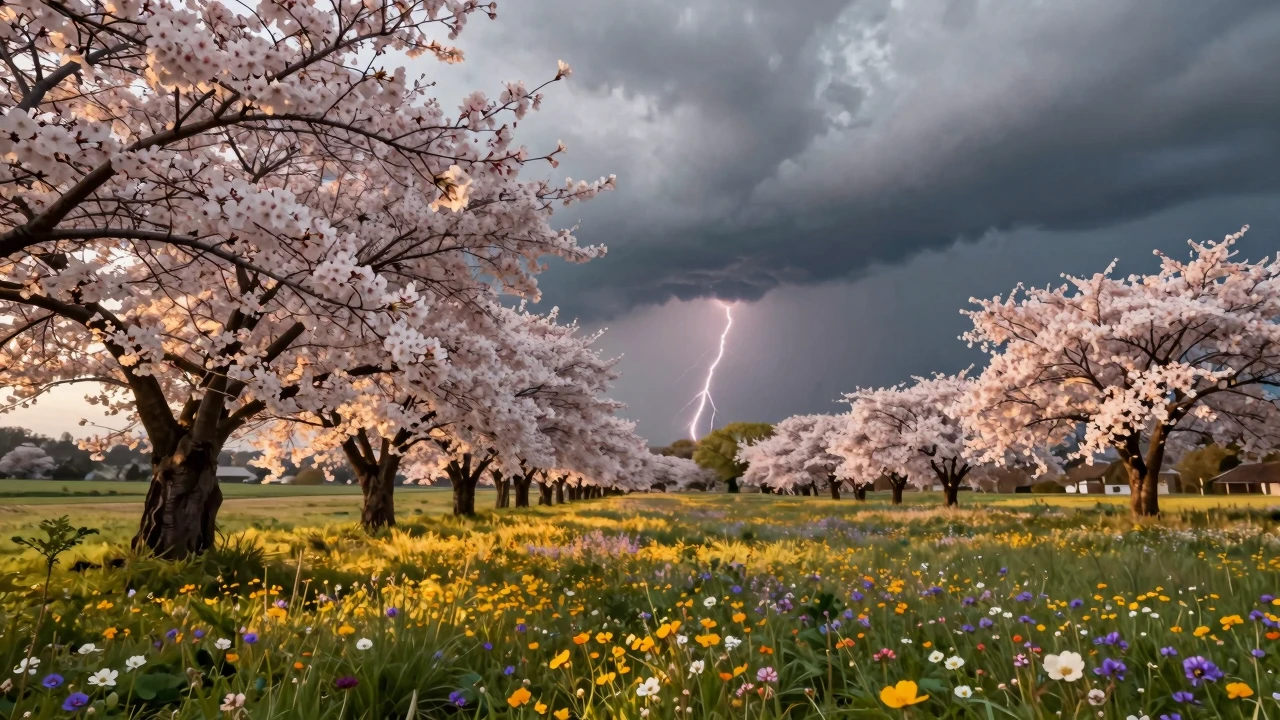
I started noticing the pattern everywhere. The duck pond at my local park? Those mallards aren't swimming in formation because they're friends. The males are constantly harassing females, chasing off rivals, sometimes drowning ducklings that aren't theirs. It's exhausting to watch. I mentioned this to a guy feeding bread to the ducks and he looked at me like I'd insulted his grandmother.
We really don't want to know.
Last summer I finally committed to something I'd been avoiding: documenting the red-tailed hawks that nest in the cemetery near my apartment. Everyone loves hawk photos. Powerful, noble, free. I got my noble shots. The female mantling over prey, wings spread like a cathedral ceiling. Gorgeous. Then I kept coming back.
I watched her partner arrive with a freshly killed rabbit, still warm, and she tore into it while making this sound—part screech, part gurgle—that I'd never heard before. Not majestic. Desperate. Hungry. The chicks weren't even visible yet, still buried in down somewhere in that mass of sticks, but she ate like she was starving because she was eating for them, converting death into life as efficiently as possible. No pause for beauty. No moment of reflection.
I deleted most of those photos. Not because they were bad, but because I couldn't look at them without hearing that sound.
The cemetery itself became my teacher in ways I didn't expect. There's a fox that hunts there, thin, with a limp I've never been able to photograph clearly. I've watched her miss more often than she connects. Three failed pounces in one morning, each one costing energy she clearly didn't have to spare. On my way home I stopped for breakfast and couldn't finish my eggs. Something about the math of it—her hunger, my waste—felt obscene.
But here's where I have to check myself, because the story I'm telling is also a kind of lie. I want you to feel the discomfort I felt, so I'm stacking the deck toward drama. The truth is more scattered, more boring, more contradictory.
That same fox, two days after the failed hunts, I found her sleeping in a sunbeam at the base of a headstone. Mouth open, tongue lolling, completely gone to the world. A mourning dove walked within three feet of her and she didn't twitch. The peace was real. The violence was real. They weren't opposites—they were neighbors, taking shifts.
I think about this now when people ask about my "best" wildlife shot. I used to show the hawk mantling, or a great blue heron in perfect reflection. Now I show them a photo from February: bare branches, gray sky, three crows huddled on a branch during a sleet storm. They're doing nothing. Absolutely nothing. Hunkered, waiting, metabolizing. It looks like desolation. It looks like survival without the glamour.
Someone told me once that crows can recognize human faces and hold grudges for years. I don't know if that's true, but I choose to believe it, because it makes those three lumps of wet black feathers feel less like decoration and more like someone. Someone having a bad day. Someone who will remember this storm, this branch, this particular misery.
The question isn't whether nature is peaceful. The question is why we needed it to be. I needed it. I needed that cardinal to be a symbol of something, needed the hawks to represent freedom, needed the fox to mean resilience. What they actually are is busy. Busy staying alive, busy dying, busy doing things that don't map onto my metaphors at all.
I'm still taking photos. More than ever, actually. But I've stopped looking for the moment that proves something. Now I'm just trying to see what's there before I decide what it means.
Join Discussion
No comments yet, be the first to share your opinion!